



The electricity we use in our daily lives is supplied by a vast transmission network. But this arrangement has a brittle side: if our connection to that network is broken by disaster or other unexpected events, our energy supply is cut off and our daily lives suffer accordingly. There are also thought to be some 800 million people around the world living in unelectrified regions not yet reached by power supply systems. To address these problems, a Japanese startup is working to make “electric self-sufficiency” a reality by using everyday substances like soil and foods as a source for off-grid power generation.
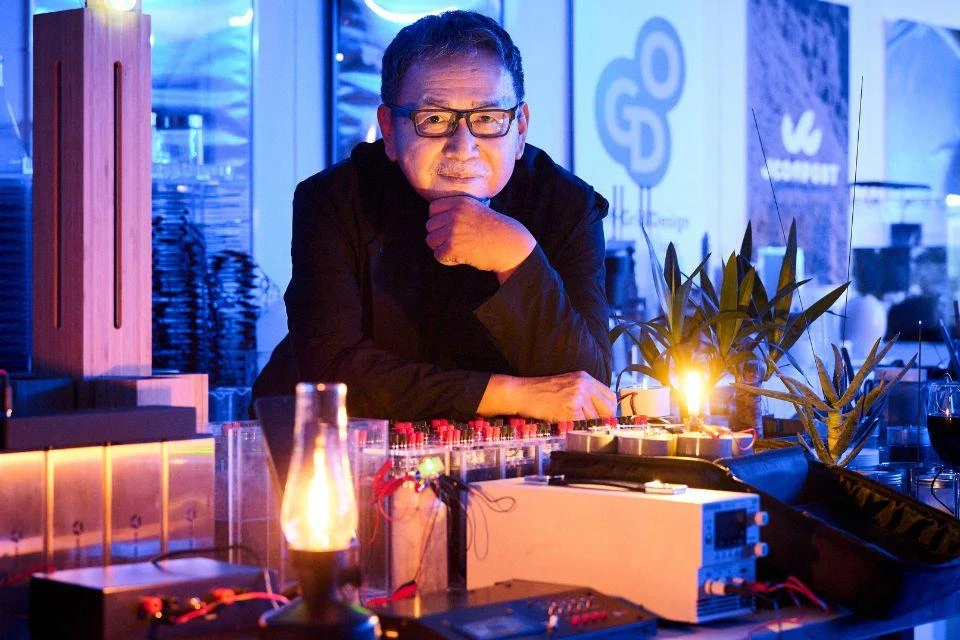
Micropower collection (MPC) technology gathers tiny amounts of electricity from objects of all kinds. Leading the effort to develop this technology is tripod design Co., Ltd.
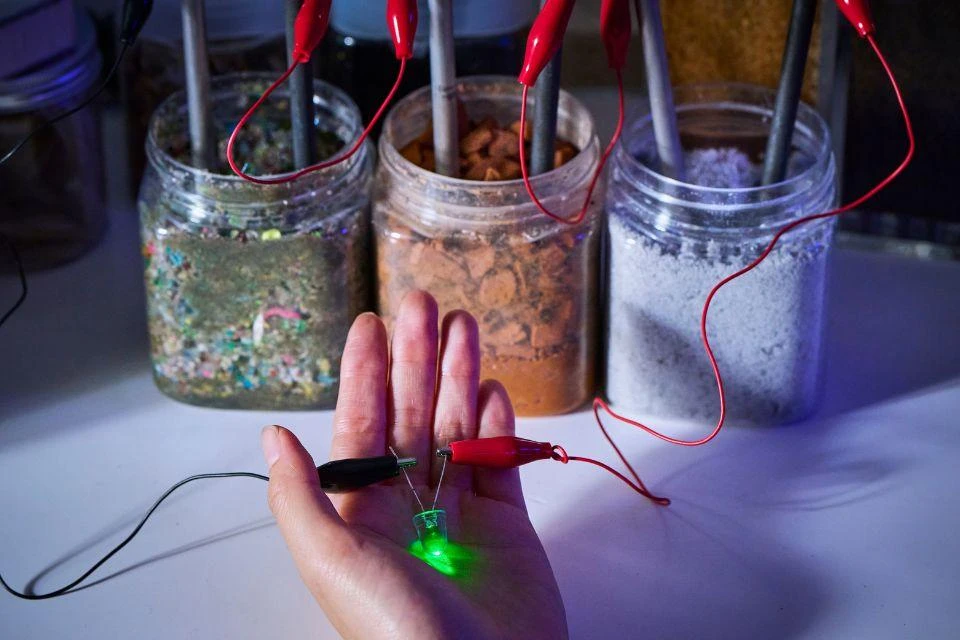
The term “micropower collection” was coined by tripod design’s CEO, NAKAGAWA Satoshi. The technology is based on the ion reactions that occur in voltaic piles and Daniell cells. When two different substances are brought into contact with water, electrons move between the two substances, generating a weak electric current. Generally, liquids and other materials that electrons can easily pass through are considered necessary for this purpose, but MPC is unique in that it can make use of any kind of substance, including soil and plants. The electricity that can be obtained from these substances is minimal, but tripod design has developed a unique circuit that can collect all of that electricity, raise the voltage once a certain amount has been stored, and then discharge it. Relatively unaffected by weather conditions or time of day, this technology differs from normal power generation in that it produces clean power with no CO2 emissions at the point of generation. Moreover, it can function as a standalone system that provides electricity even when cut off from existing transmission networks.
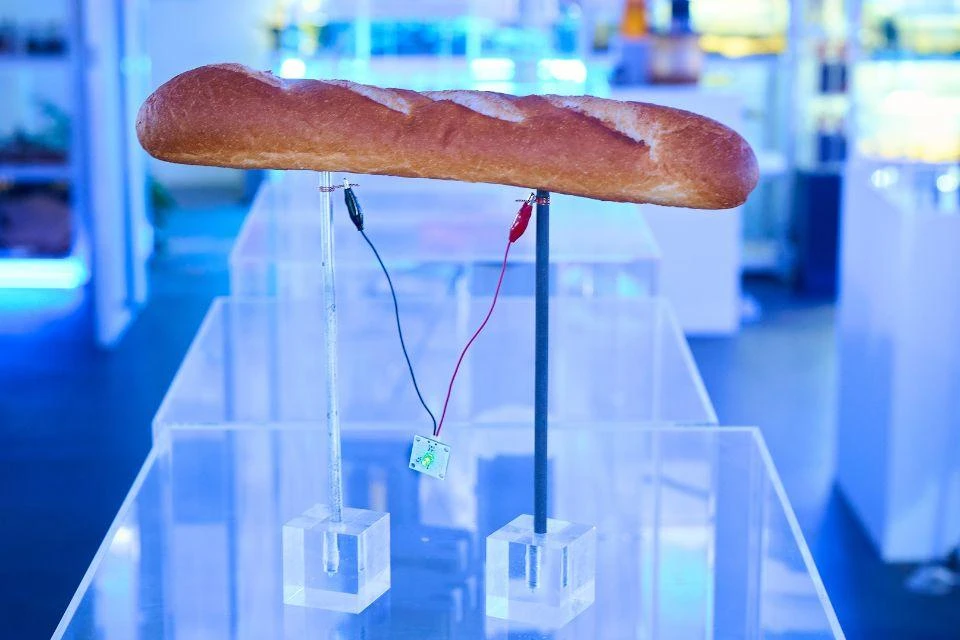
“We’ve inserted electrodes into more than 4,000 different materials during our experiments, including soil, vegetables, brick, glass, and shell, and we’ve confirmed that power can be collected from all kinds of substances,” says Nakagawa. Even a baguette, surprisingly enough, can provide enough electricity to light up an LED.
Nakagawa came up with the MPC mechanism due to a chance realization during his research on microbial fuel cells, which utilize the electricity generated as microbes break down organic matter. It suddenly occurred to him, he says, that we had simply overlooked and failed to capitalize on the potential that had always existed to generate minuscule amounts of electricity through materials from the natural world, including soil, mud, and seawater.
The company hopes to use MPC to address a range of issues facing society. Its first idea: building communities where the lights do not go out when disaster strikes. Standalone energy supply systems, the company believes, could make a significant contribution to securing electric power during blackouts caused by disasters and other events.
The company’s next idea is to use energy storage to support daily life in a range of environments. In developing countries, for example, the technology could power lights in areas not covered by the electric grid, a problem that hinders studying, working, and providing medical care at night.
Other promising applications include agriculture, disaster monitoring, and anti-crime measures. Deployed in tandem with networked devices, MPC could provide a constant source of power for sensors to protect against pest damage to farmland, overflowing rivers and soil collapse, or unlawful entry into empty homes.
It has also proven feasible to apply MPC to industrial waste and marine plastic, which could see reuse not as “garbage” but as new sources of energy.
To help build momentum toward the use of MPC throughout society, tripod design established an experimental facility called Lu-An in 2025. Located in a mountainous region in Ibaraki Prefecture, Lu-An is a base for exploring future lifestyles powered by MPC. It has already successfully used MPC to generate a maximum output of 100 W from soil and compost, which was enough to comfortably power electrical appliances along with lighting. Nakagawa speaks of making Lu-An a staging point for advocating a self-sufficient approach to power generation in off-grid environments.
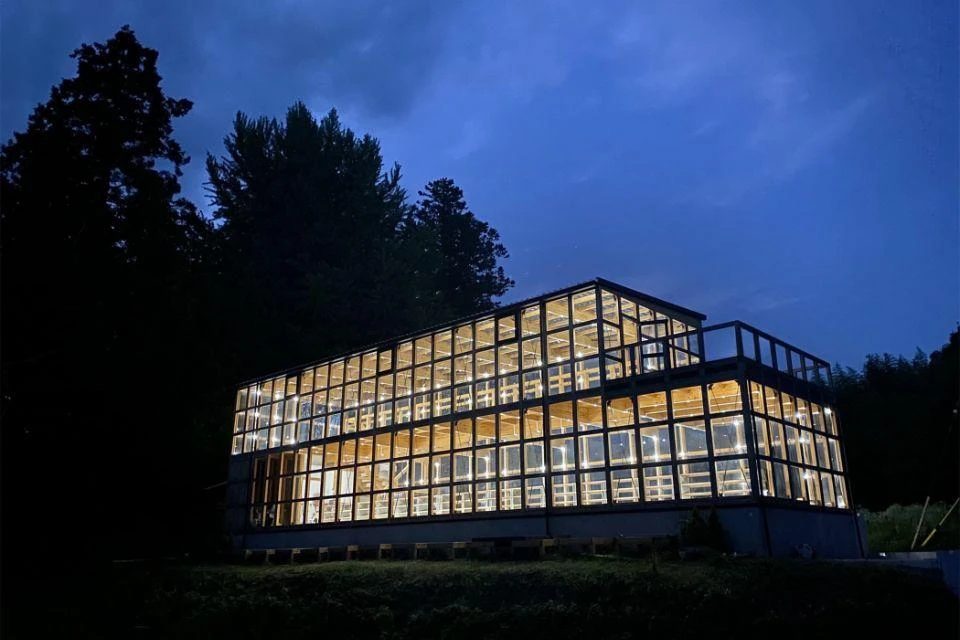
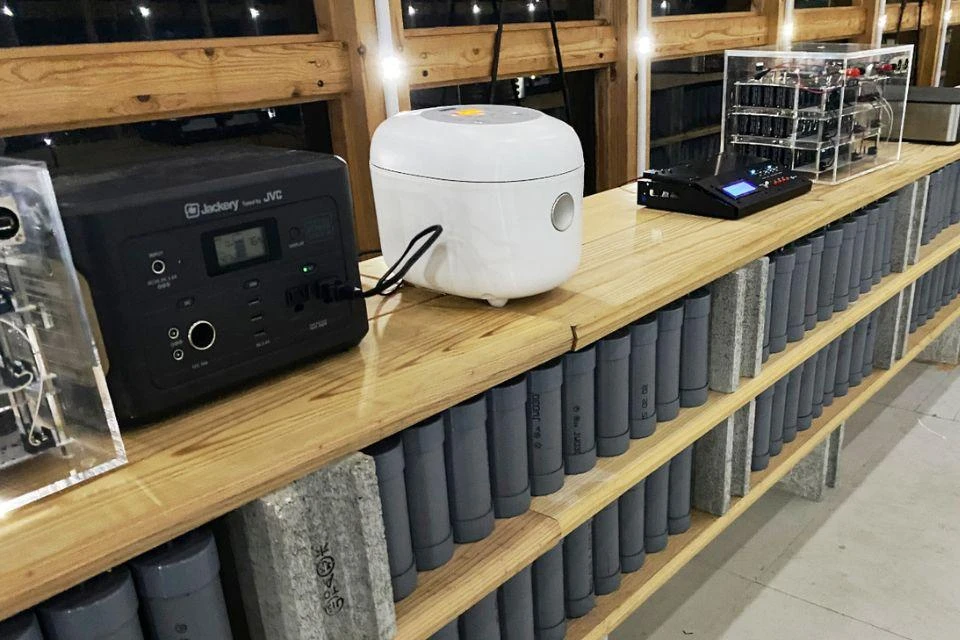
“Through experiments like this, we want to bring a new MPC-based standalone energy infrastructure into the world,” says Nakagawa. This new mechanism for extracting electricity from the latent power within natural substances is resilient in the face of disaster, sustainable and regenerative, placing little burden on the environment. As such, it has the potential to provide the world with dramatic new options for power generation.


