Health problems arising from diabetes and obesity are a critical social issue around the world today. About one in nine adults has diabetes—nearly 590 million people. By 2050, estimates are that more than half of the global population will be overweight or obese. One startup is working on a solution via a unique food technology using a traditional Japanese ingredient.
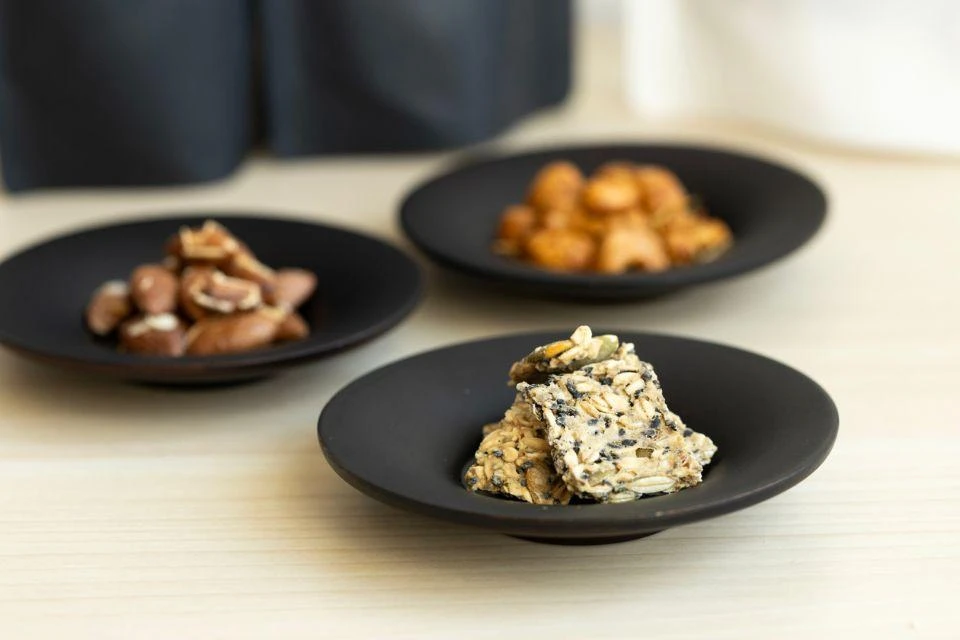
The satisfaction of eating is about more than just flavor and aroma. Texture, too, plays an important role. For this reason, processed foods frequently use sugar, starch, gluten, and animal fats to enhance texture and shape. Overconsumption of these ingredients, however, can contribute to obesity.
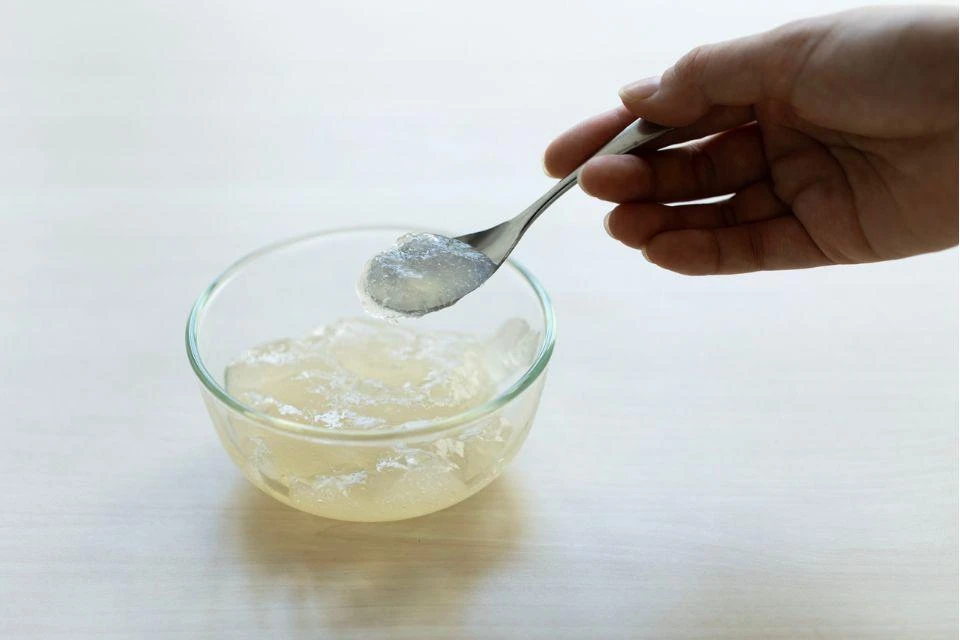
To overcome this problem, food technology company Ninzia Inc. turned to konjac, a food eaten in Japan for many centuries. Konjac is a processed food produced by mixing flour made from dried konjac root with water to form a jelly-like solid. The main ingredient, a water-soluble fiber called glucomannan, is very low in calories and takes time to digest, meaning that it provides a long-lasting sensation of fullness.
Konjac has a distinct elastic texture due to the mesh formed when its dietary fibers intertwine. Meticulous control of this process and combinations with other ingredients make it possible to adjust konjac to the desired degree of chewiness and smoothness.
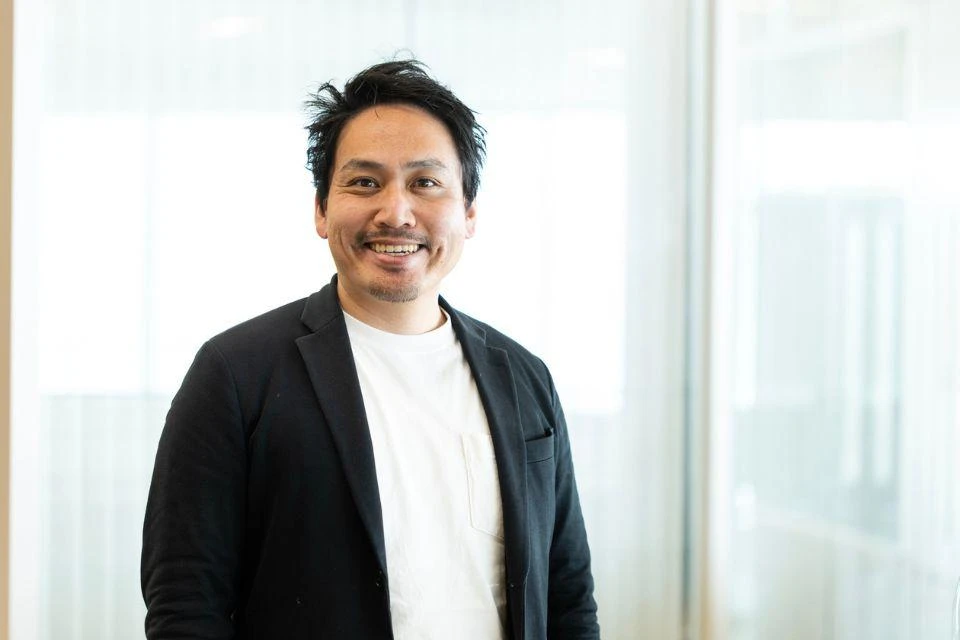
“Nutrition and flavor are studied in various ways around the world, but surprisingly few companies directly address the texture and shape of food,” says YORITAMA Masahiro, CEO and chief researcher at Ninzia. “These domains tend to be overlooked, but they are crucial for health, and this is precisely why we think that our technology and konjac’s unique qualities as an ingredient can be of use.”
As a researcher, Yoritama is still exploring the mechanisms of konjac’s coagulation and its effects on human health. “Konjac has been eaten in Japan for a long time, but there’s still a lot we don’t know about it,” he says. He will soon publish a paper offering scientific evidence that konjac suppresses sudden blood sugar spikes and improves the intestinal environment. “This will further underscore the value of processed foods that use the Ninja Paste we’ve developed from konjac.”
As an ingredient, konjac can withstand high-temperature, high-pressure processing, and Ninzia is utilizing this characteristic to develop emergency rations. Emergency rations like ready-to-eat curry and canned foods use high temperature and pressure to eliminate bacteria and permit long-term storage, but surprisingly few ingredients can withstand this treatment. If animal fats are used for structural purposes, then the taste and texture will suffer unless the food can be heated, which is often difficult in emergency situations. Using fiber derived from konjac instead allows food items to retain their shape and stay tasty even when cold.
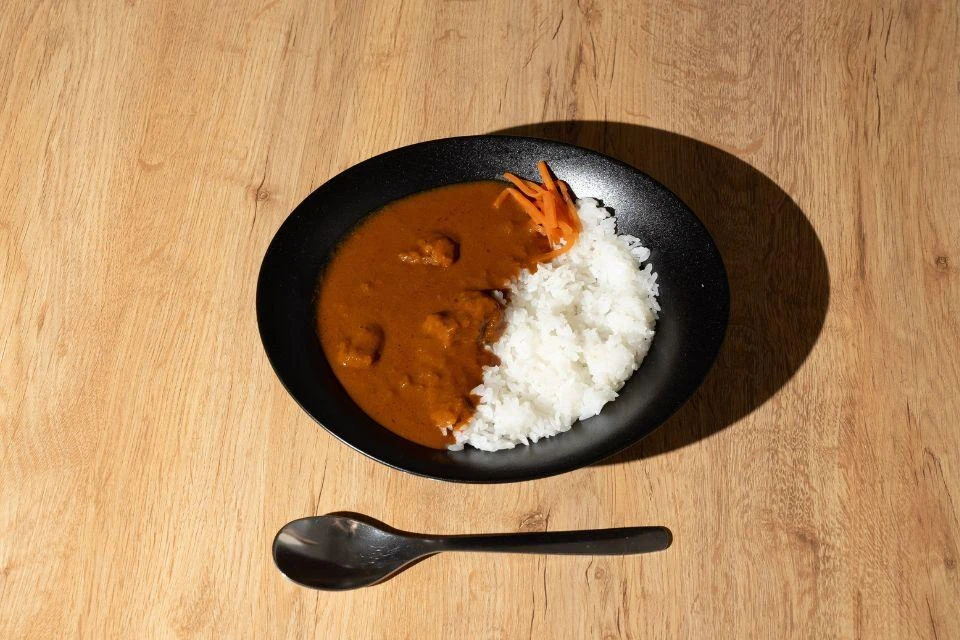
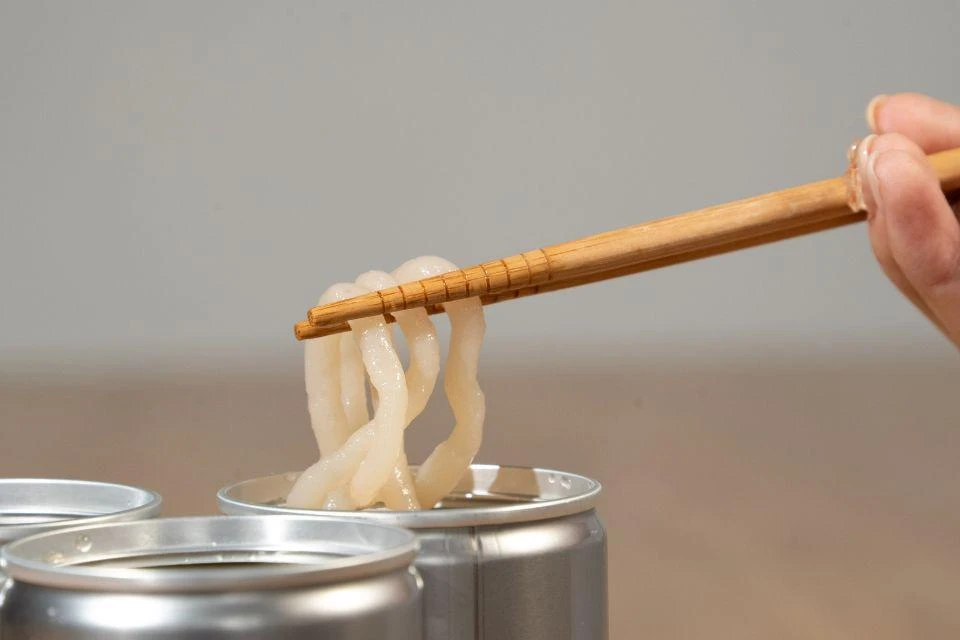
“The emergency rations we make are completely plant-derived,” says Yoritama. “This lets us make foods that can be eaten without the slightest qualm by everyone from people with wheat allergies to those unable to eat certain foodstuffs due to religious or other dietary restrictions. We plan to work toward Halal certification in the future.”
Ninzia’s approach suggests a flexible solution to the world’s food problems. By simply replacing some of the ingredients in familiar staples like bread, noodles, and confections, rather than rejecting established foodways out of hand, food can be made healthier and more diverse without diners even realizing it. As its name suggests, Ninja Paste is designed to hide in food unnoticed—like a ninja—preserving existing textures and tastes while inconspicuously replacing unnecessary sugar and fats with dietary fiber. This is a technology with the significant benefit of expanding food choices rather than trying to impose specific eating habits.

Ninzia is not in the business of creating flashy, attention-grabbing food items. Its products are designed to quietly slip into everyday lifestyles, offering support without restriction. Regions with aging societies, countries where diabetes and obesity are becoming social issues, cities where religions and cultures intermingle, extreme conditions following disasters—whatever the circumstances, Ninzia says its aim is to create a world where everyone can eat the same thing without worrying about ingredients.