Reviving Kenya’s Pyrethrum Together: A Challenge for a Small Japanese Business and Local Farmers
Reviving Kenya’s Pyrethrum Together: A Challenge for a Small Japanese Business and Local Farmers
October 26, 2026
Read Aloud
Pyrethrum from Kenya once dominated the world market. Now, a small Japanese manufacturer of mosquito-repelling incense is working with Kenyan farmers to revive it through sustainable agriculture, with the broader goals of supporting farmers’ independence and addressing social challenges.
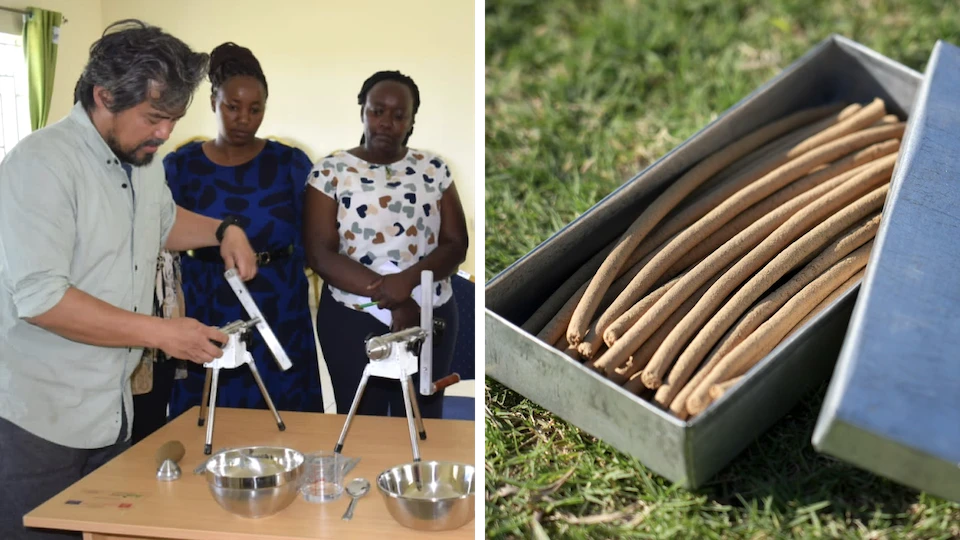
IIO Hiromitsu (center right), of Rinnesha Co., Ltd., with members of the Nakuru County Pyrethrum Growers Union, which aims to revive Kenya’s pyrethrum industry.
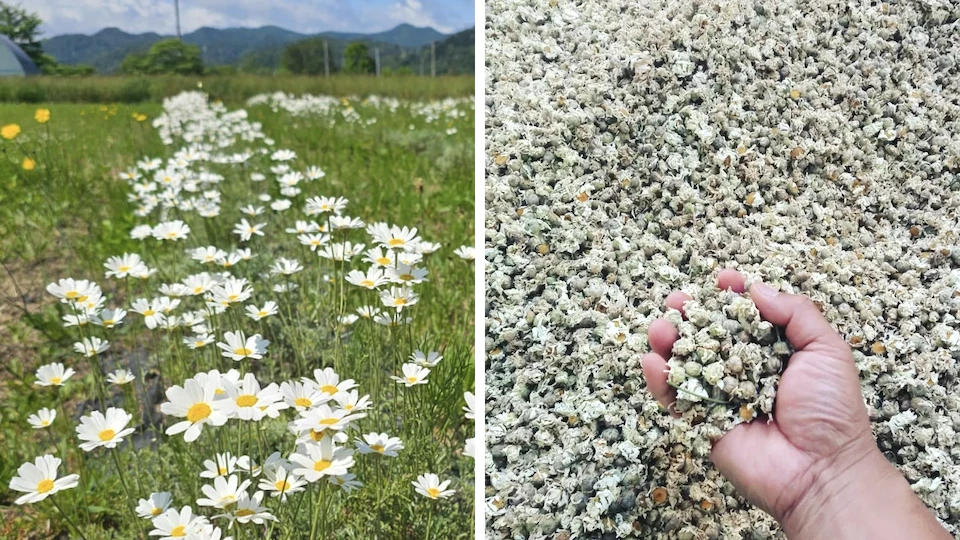
Have you ever heard of “pyrethrum”? This small, white-flowered member of the chrysanthemum family contains an insecticidal compound that acts quickly on mosquitoes and other harmful insects. Mosquito-repelling incense was invented in Japan in 1890, around 140 years ago. Made by pressing dried pyrethrum powder into sticks or coils, it releases smoke containing the insecticidal compound when burned, helping control or repel mosquitoes and other pests.
Kenya is well known as a major producer of pyrethrum, accounting for 90 percent of global output in the 1980s. However, production has fallen sharply in recent years, due in part to the spread of mosquito-repelling incense made with synthetic chemicals. To sustain the industry, producers had begun exploring ways to build a system that would allow them to generate their own profits and continue developing sustainably.
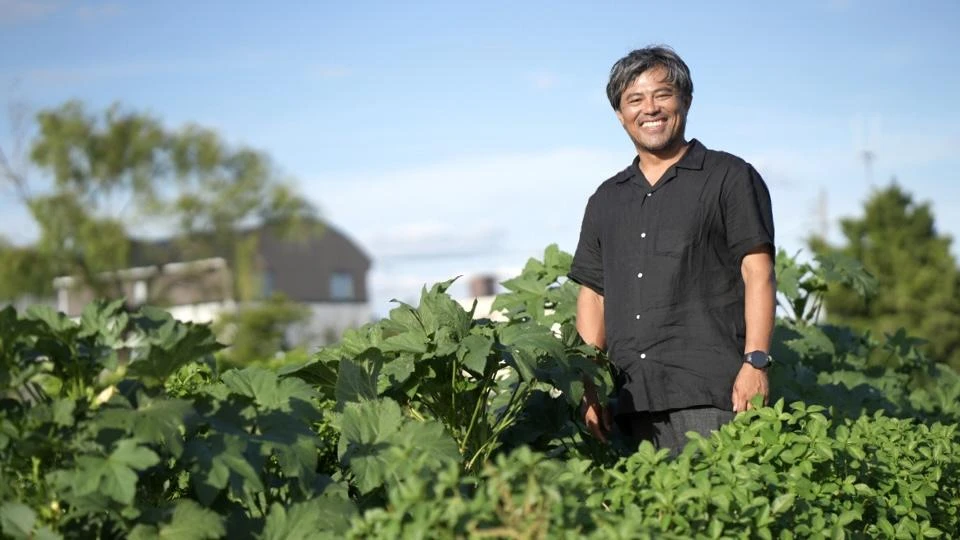
In 2017, those Kenyan pyrethrum farmers crossed paths with IIO Hiromitsu, of the Japanese company Rinnesha Co., Ltd.
Pyrethrum was once such a major industry in Kenya that it was called “white gold.” Pyrethrin, the insecticidal compound found in the flower, is also used in organic farming and other applications, and demand for it has been rising in recent years.
A Mosquito-Repelling Incense Value Chain Built by Farmers Themselves
Rinnesha has long been committed to using natural ingredients in its mosquito-repelling incense and had been searching for a stable supply of pyrethrum. Kenyan pyrethrum, with its higher concentration of the insecticidal compound, was the ideal choice.
However, hearing that the Kenyan farmers were not earning a fair return for their work, Iio felt a real sense of urgency, fearing that the industry would continue to decline unless something was done. It is not easy, however, for a small family-run company to start a business as far away as Kenya.
The idea they hit on was a producers’ cooperative. The goal was not simply to export raw pyrethrum, but to build the entire value chain, from growing and processing the flowers to manufacturing and selling the incense, with the local farmers themselves handling each stage. This would raise farmers’ incomes and, in turn, revive Kenyan pyrethrum through sustainable agriculture.
Iio provided technical instruction starting with the basics, including how to process pyrethrum and how to make mosquito-repelling incense. “Now we have to tackle marketing and branding,” Iio says. “There’s still a long way to go, but we can finally see the road ahead.” Incense made by the cooperative is pictured right.
Reviving Agriculture for Sustainable Regional Development
With support from the Japan International Cooperation Agency (JICA), Iio and the farmers began with a field study to build a local value chain for manufacturing natural mosquito-repelling incense. After confirming both demand and feasibility, they established the Nakuru County Pyrethrum Growers Union, the first of its kind in Kenya, in 2025. The union will now take the lead, applying the expertise passed on from Iio to promote development of the region as a whole.
Meanwhile, fair-trade exports of the raw material to Japan have already begun. Preparations for local processing and manufacturing are advancing, and inquiries are said to be coming in from countries such as France, where demand for natural incense is high. Furthermore, mosquito-repelling incense does not require electricity, and wider use of an inexpensive, domestically made product in Kenya could make a significant contribution to preventing malaria and other mosquito-borne diseases.
For many years, Japan has provided assistance in Africa and beyond that is closely attuned to the needs of local communities. This grassroots initiative centered on mosquito-repelling incense now adds another chapter to that history. A new story connecting Japan and Kenya, blooming from a tiny white flower, is only just beginning.
Iio Hiromitsu, executive director of Rinnesha: “Japan and Kenya may be far apart, but it’s the relationship, not the distance, that matters. Traces of Japan’s past assistance can be found all over Kenya, and the tools and knowledge that have taken root in daily life here are a great help when we work with local communities.”