A Japanese startup has successfully delivered blood products by drone in Mongolia, where traffic congestion hampers emergency transport—paving the way for the sky to become an integral part of society.

 Skip to Main Content



August 28, 2026
A Japanese startup has successfully delivered blood products by drone in Mongolia, where traffic congestion hampers emergency transport—paving the way for the sky to become an integral part of society.
In November 2023, a single drone took to the skies over Ulaanbaatar, the capital of Mongolia. Its cargo? Blood for transfusion. The drone successfully completed a 9.5-kilometer autonomous round-trip flight between the National Center for Transfusion Medicine and the Mongolia-Japan Hospital of the Mongolian National University of Medical Sciences. For a city long plagued by chronic traffic congestion and the resulting challenges in transporting emergency supplies, the flight marked a major step toward pioneering a new form of aerial infrastructure.
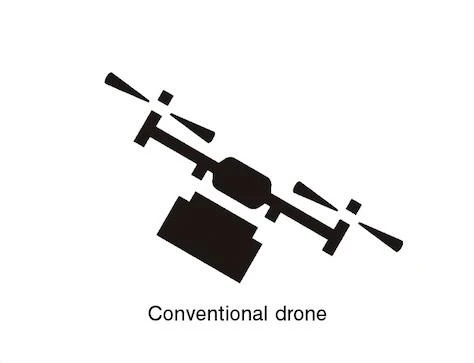
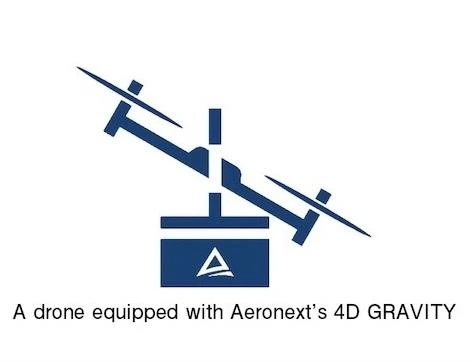
This demonstration was enabled by 4D GRAVITY, an innovative drone technology developed by Aeronext Inc., a Japanese startup. What makes 4D GRAVITY unique is its ability to achieve stable flight by controlling the drone’s center of gravity. Conventional drones excel at hovering in place, but once in motion, wind resistance disturbs their center of gravity and destabilizes the craft. To address this challenge, Aeronext separated the flight section, including the propellers, from the payload section (main body). The two parts are joined by a control mechanism known as a gimbal, allowing them to move independently, and helping maintain an optimized center of gravity throughout flight.
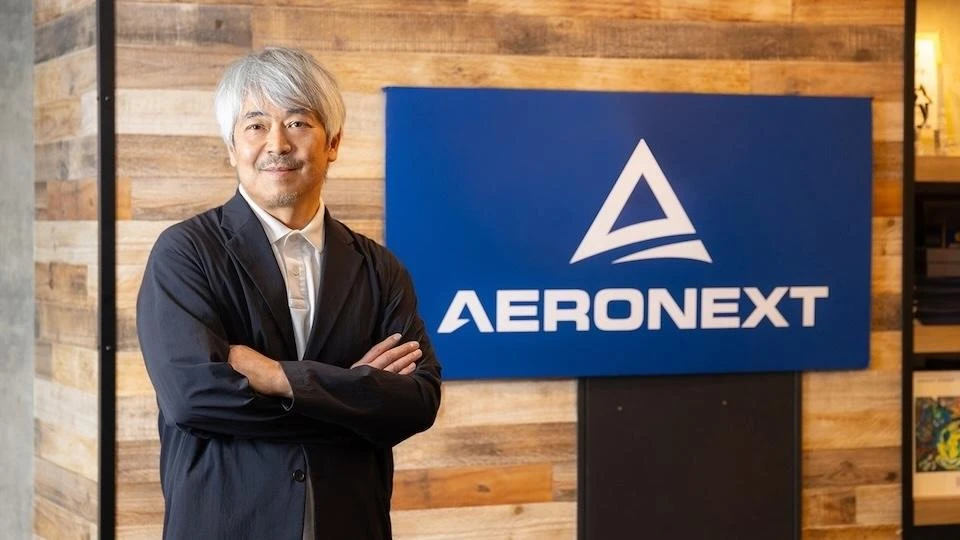
Creating a future where the sky serves as social infrastructure for logistics. This is Aeronext’s vision: a world in which drones crisscross the sky as naturally as cars travel the roads below, becoming an indispensable form of mobility. When the company was founded in 2017, affordable drones were already available and being used for activities like aerial photography; however, their use in logistics remained limited. Aeronext Group CEO TOJI Keisuke foresaw that drones, like robots, would advance toward automation and autonomy, evolving from devices with limited applications into a foundation that supports society. He saw stable-flight technology as the key to unlocking the future. “Viewing drones as social infrastructure was the starting point for our growth,” says Toji.
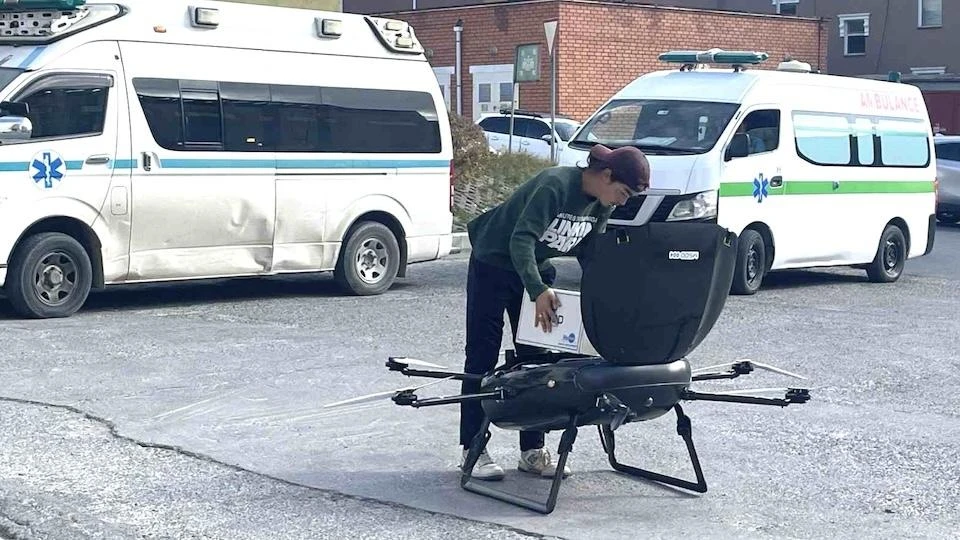
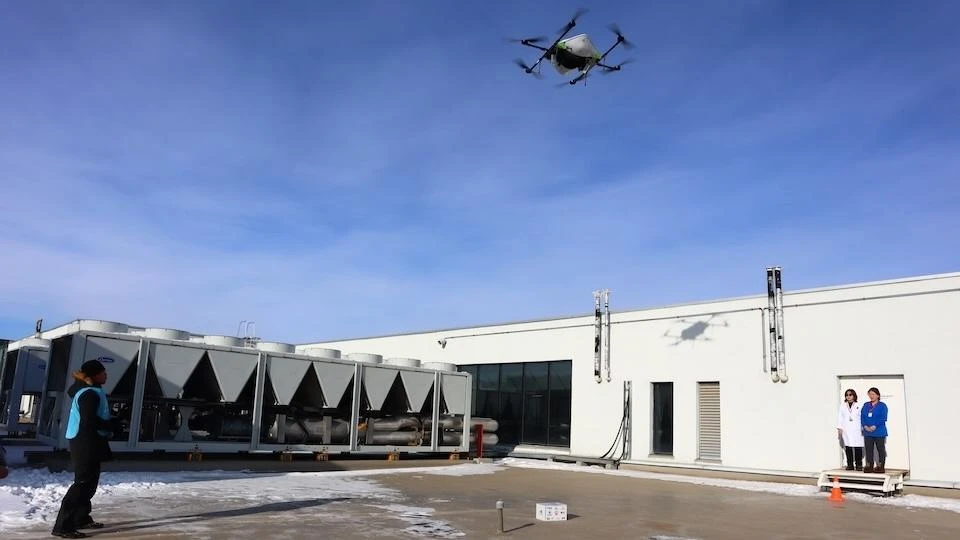
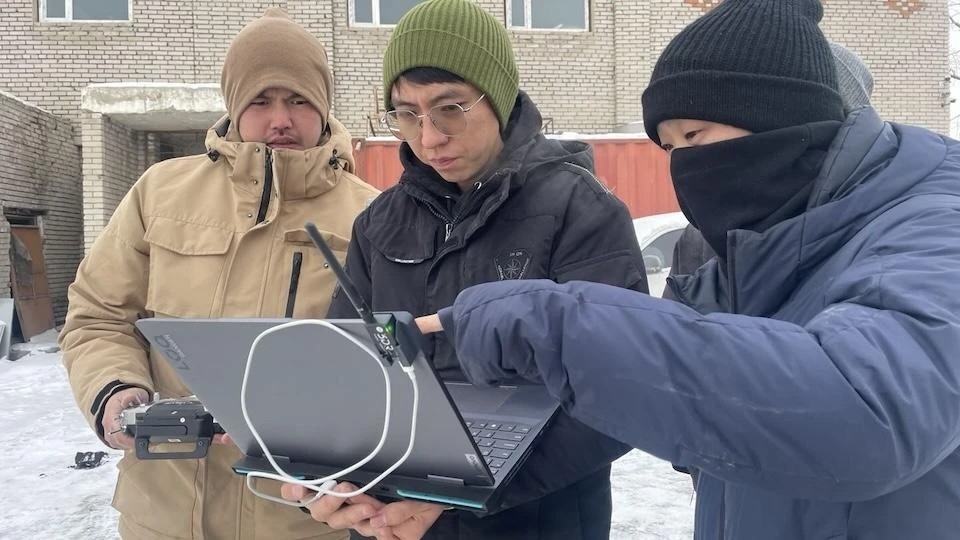
The demonstrations in Mongolia have been carried out with support from the Japan International Cooperation Agency (JICA). Mongolia was chosen partly because of its close ties with Japan, and partly because its harsh climate—where winter temperatures can drop below minus 20°C—made it an ideal environment for developing operational expertise capable of handling a wide range of conditions. With the subsidy from the Ministry of Economy, Trade and Industry’s Global South Future-Oriented Co-Creation Project, Aeronext completed 422 regular delivery flights of blood products over the seven months from May to November 2025, as part of efforts to establish drone delivery as a standard logistics solution in the country. Studies are now underway to apply the model developed in Mongolia to countries including Kyrgyz and Kazakhstan.
Through these initiatives, Aeronext has worked to transfer expertise in flight operations, drone manufacturing, and maintenance from Japan to local young people, while also helping cultivate the mindset needed to support the industry’s development. Looking ahead, the key will be fostering self-reliance and building a sustainable business model.
Another promising application beyond logistics services is disaster response. When the Noto Peninsula Earthquake struck in January 2024, Aeronext participated in relief operations organized by the Japan UAS Industrial Development Association at the request of the Ishikawa Prefecture Disaster Medical Assistance Team (DMAT). Using drones, the team delivered prescription medicines and daily necessities to evacuees in areas where land transportation routes had been cut off. It marked the first time disaster relief supplies had been transported by drone in Japan. “If we develop a sky-based network as logistics infrastructure in normal times,” says Toji, “we will have a ‘Phase Free’ asset—one that can shift immediately to an emergency transportation network when disaster strikes.”
Many challenges remain before drones can come into widespread use. Manufacturing and operation costs need to be reduced, and a comprehensive ecosystem encompassing manufacturing, operations, maintenance, and other elements of the drone industry must be developed. Even so, Toji believes that a shift toward a future in which drones play an indispensable role is irreversible.
The drone flights that began over the skies of Ulaanbaatar may one day become an everyday sight, ushering in a world in which whatever people need can be delivered whenever they need it.