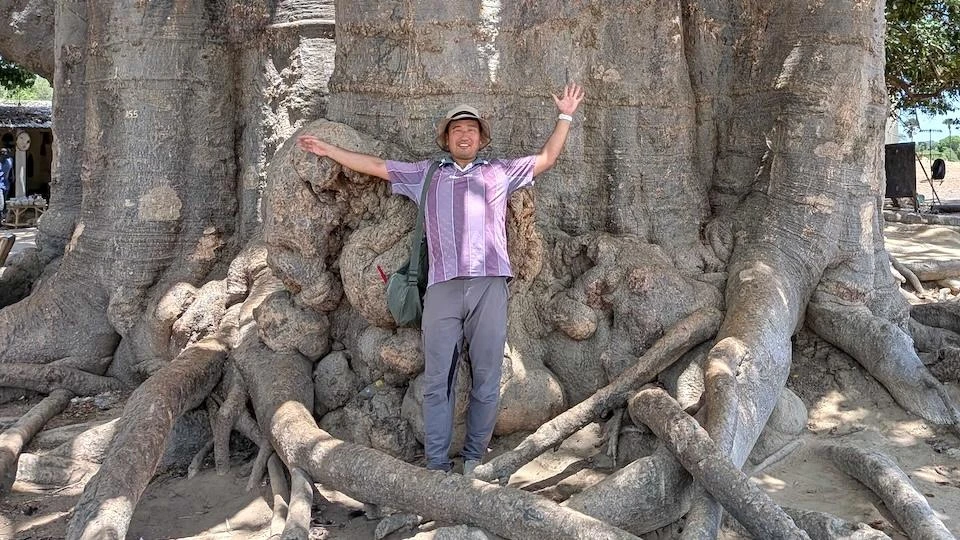
Building ecosystems through food production. That is the idea behind a new farming method emerging from Japan. Known as Synecoculture, it not only enhances biodiversity but also aims to help address social challenges, including poverty.
Synecoculture: A New Approach from Japan That Integrates Biodiversity and Food Production
July 3, 2026
Read Aloud
Countless organisms on Earth have survived over immense spans of time by forming networks and supporting one another, both directly and indirectly. Today, however, this biodiversity is in crisis. One contributing factor is modern food production. As farmland has expanded to meet the demands of a growing population, efforts to maximize agricultural efficiency have often altered natural environments, causing significant damage to ecosystems.
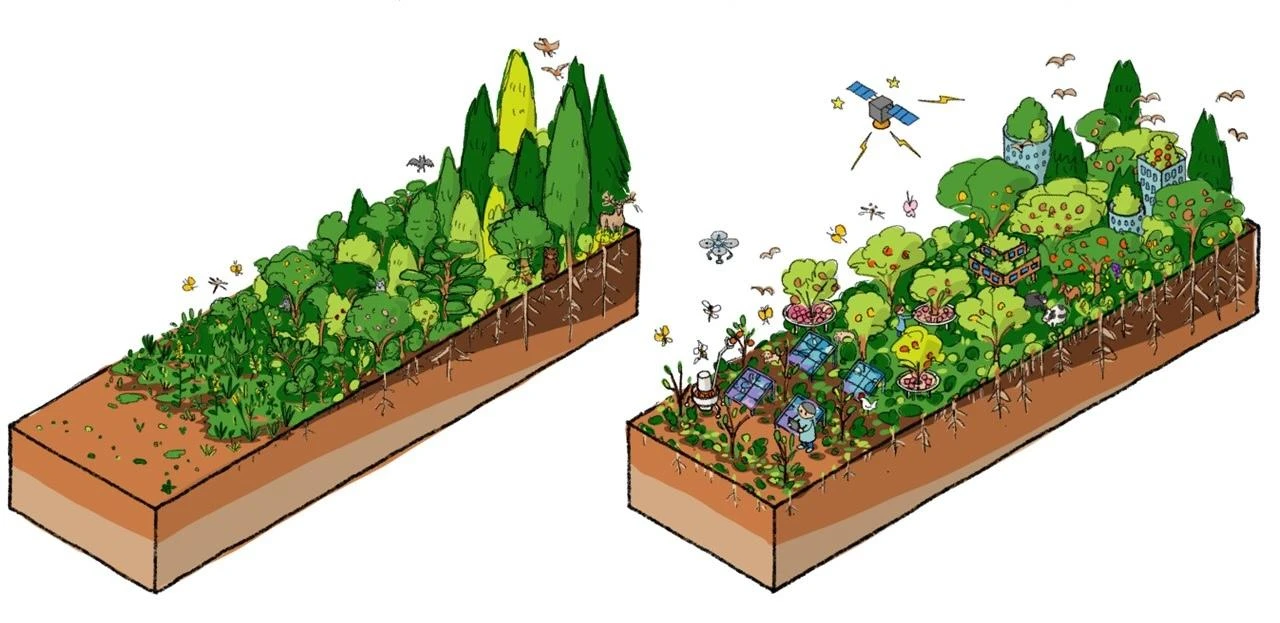
Synecoculture, an innovative farming method that originated in Japan, aims to overcome this situation. Its defining feature is a detailed analysis of a site’s characteristics, including its soil, climate, surrounding environment, and history of use. Based on this understanding, practitioners develop a long-term vision for the ecosystem they hope to create and introduce useful plants suitable to that environment. In other words, Synecoculture seeks to make food production more sustainable by actively designing and nurturing ecosystems.
Human Augmentation of Ecosystems Beyond Nature’s Limits
FUNABASHI Masatoshi, president and representative director of SynecO, Inc., which practices and promotes the Synecoculture approach, explains: “Farming methods that work with natural ecosystems have existed for a long time, but they have not always been approached from a scientific standpoint. The challenge was that they often did not work well in other locations and relied heavily on the knowledge and experience of individual farmers. We therefore developed a scientific foundation and built a database that made it possible to share and build upon that knowledge.”
To make use of the many functions that ecosystems provide, Synecoculture generally avoids plowing the soil and uses no fertilizers or pesticides, while growing a wide variety of crops together. However, this does not mean simply leaving everything to nature. Different crops may be planted in spaces newly created through harvesting, while native trees that grow from seeds carried by birds may also be incorporated into the ecosystem. That said, some trees may be removed depending on changing environmental conditions and how they affect the surrounding crops. Through ongoing stewardship that responds to changes in nature and enhances ecosystem functions, Synecoculture maintains biodiversity while sustaining agricultural productivity.
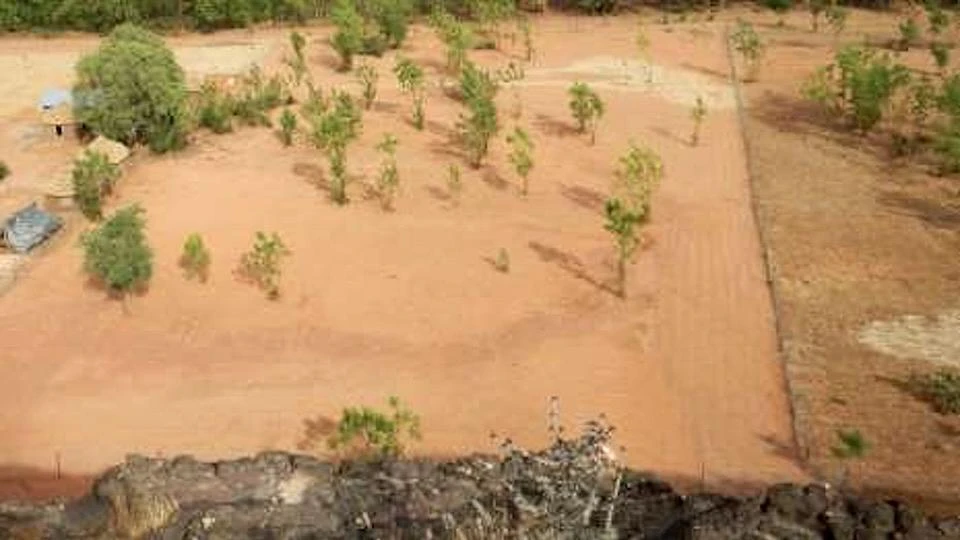
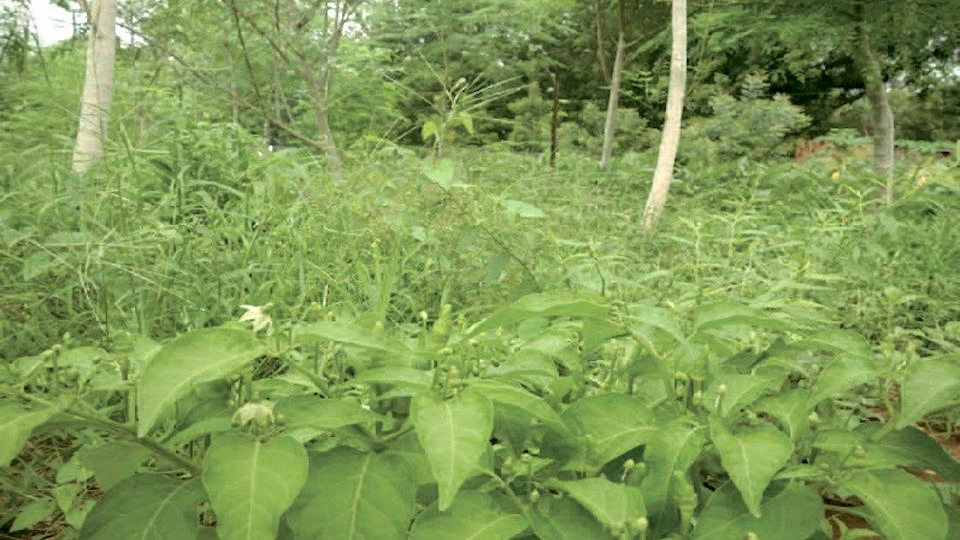
Its effects have also been demonstrated in semi-arid regions of Africa. In a demonstration project in Burkina Faso, crop yields and profits reportedly increased by several dozen times. “The impact was significant enough to help local communities escape poverty. We were able to create an ecosystem that serves as a major pillar supporting a healthy rural economy,” explains Funabashi.
Sustainable Agriculture That Protects Culture and Shapes the Future
Funabashi emphasizes that if the ecosystems created through Synecoculture can establish agriculture as a sustainable foundation for local communities, those communities can continue to develop in ways that reflect local conditions while protecting the cultures and traditions that have developed alongside their land. This, he says, should also help reduce global economic disparities. Synecoculture farms have now been established in more than 20 countries. Technical guidance programs have also been developed with international NGOs, while new demonstration projects have been launched in Cameroon and Senegal in partnership with the Japan International Cooperation Agency (JICA).
According to Funabashi, “humans are the first beings on Earth capable of expanding and augmenting ecosystems through free will.” At the same time, ecosystems provide people with a wide range of benefits, from supporting physical health—including immune function—to generating cultural value. Perhaps the time has come to shift from simply conserving biodiversity to actively fostering it in richer forms. Synecoculture may provide one way to do so.