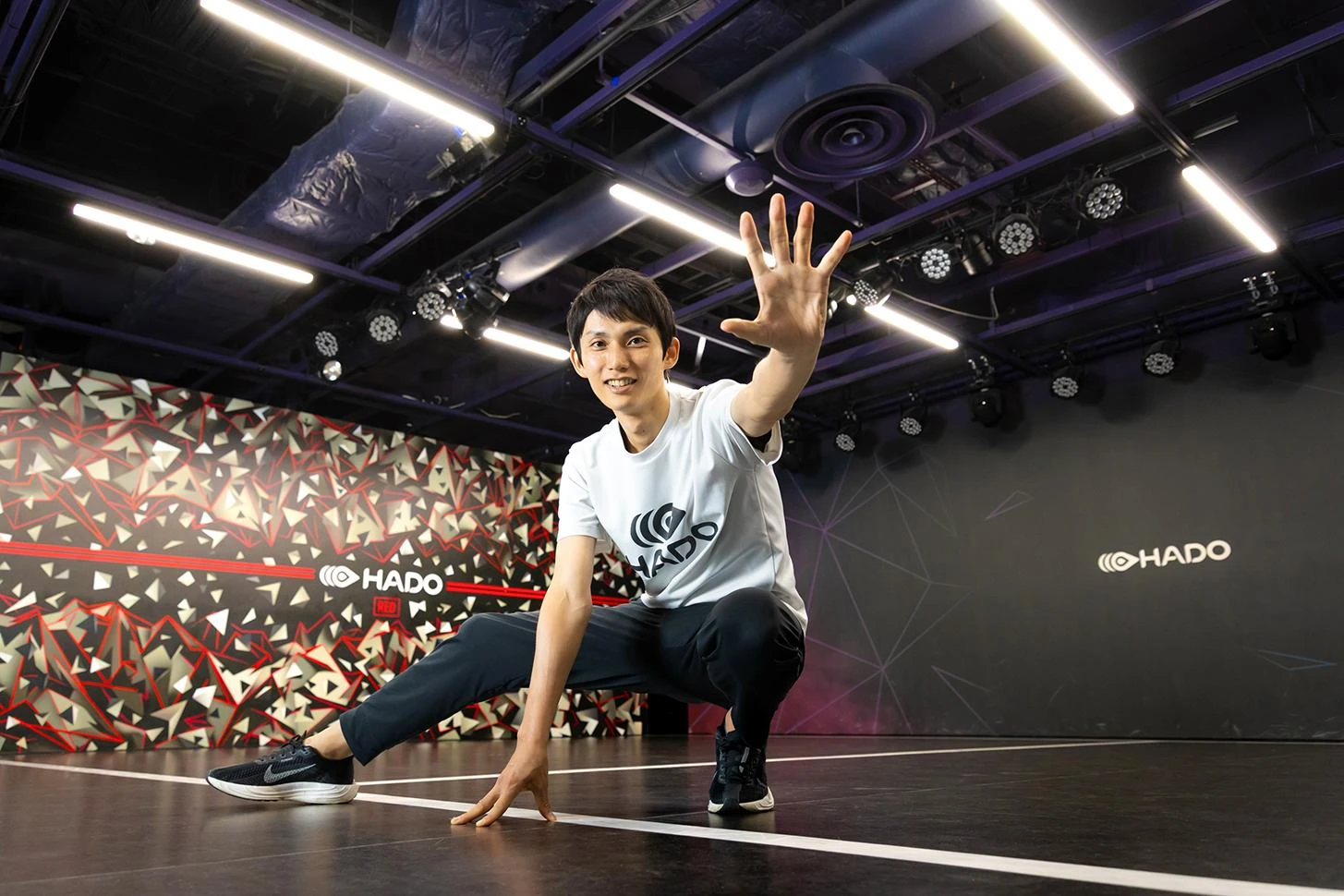
A new sport that draws on AR (augmented reality) technology to fuse the physical and digital worlds is also in the limelight as an activity that can be enjoyed by a broad spectrum of people, from young people to older adults and wheelchair users.
A New AR Sport from Japan Bringing Anime Battles into the Real World
July 17, 2026
Read Aloud
Ever dreamed of shooting powerful balls of light like an anime hero—not in a video game, but in the real world? A new sport from Japan is making that possible, capturing attention internationally.
Launched in 2016 by meleap Inc., a Japanese startup, HADO is a competitive sport in which players wield energy balls and protective shields using AR (augmented reality) technology. Teams of three compete for points by hitting the opposing team with as many energy balls as possible within 80 seconds. What sets the sport apart is that it brings experiences once limited to video games and esports into a physical sport where players move and compete in the real world.
Proprietary Technology Behind the Fusion of Physical and Digital
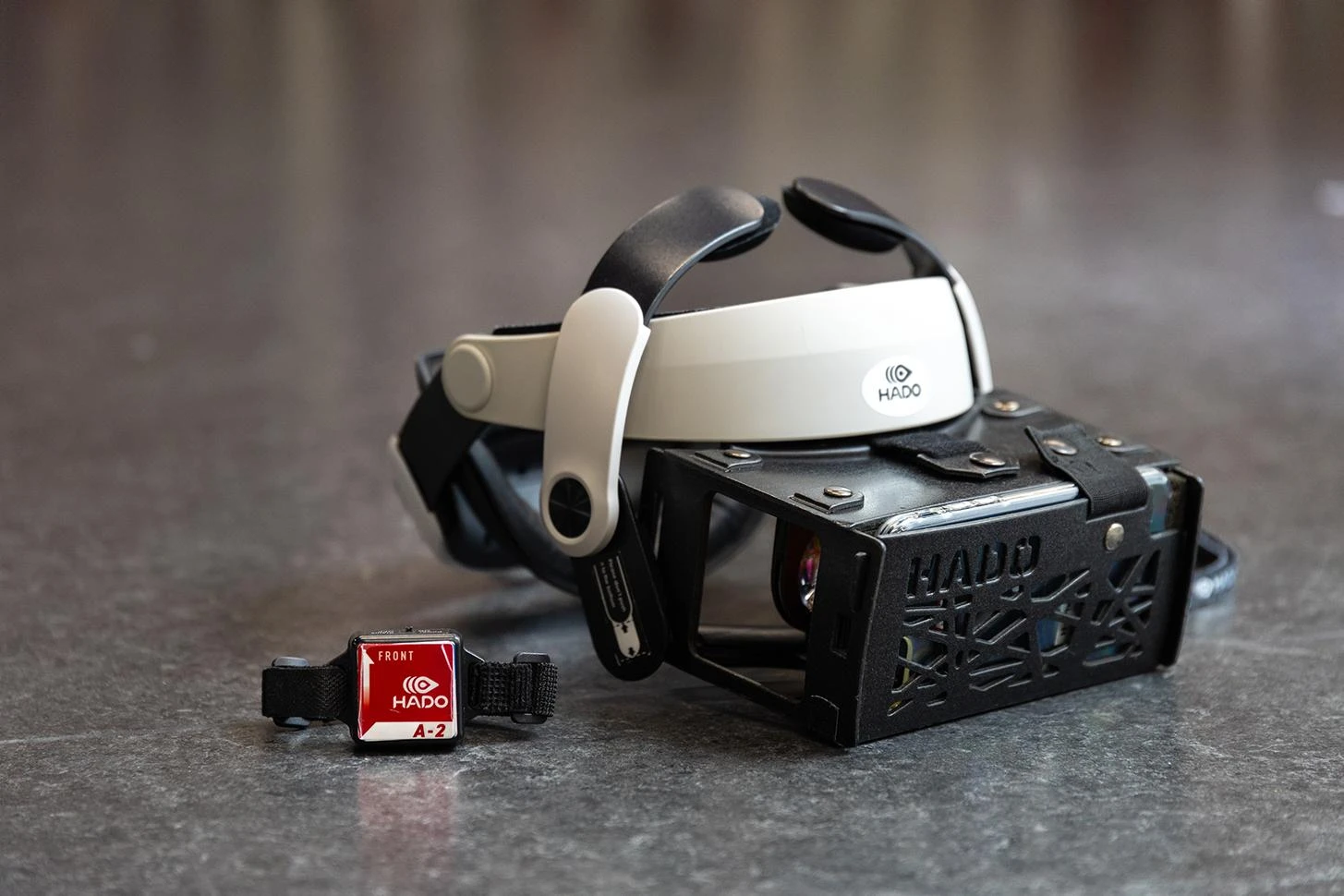
To make AR visuals respond to player’s movements, meleap developed its own proprietary technology. Patterns that serve as positional reference markers decorate the walls around the court. Cameras built into players’ headsets track their positions and the direction they are facing in real time using these markers, while arm sensors detect offensive and defensive movements to deploy energy balls and shields accordingly.
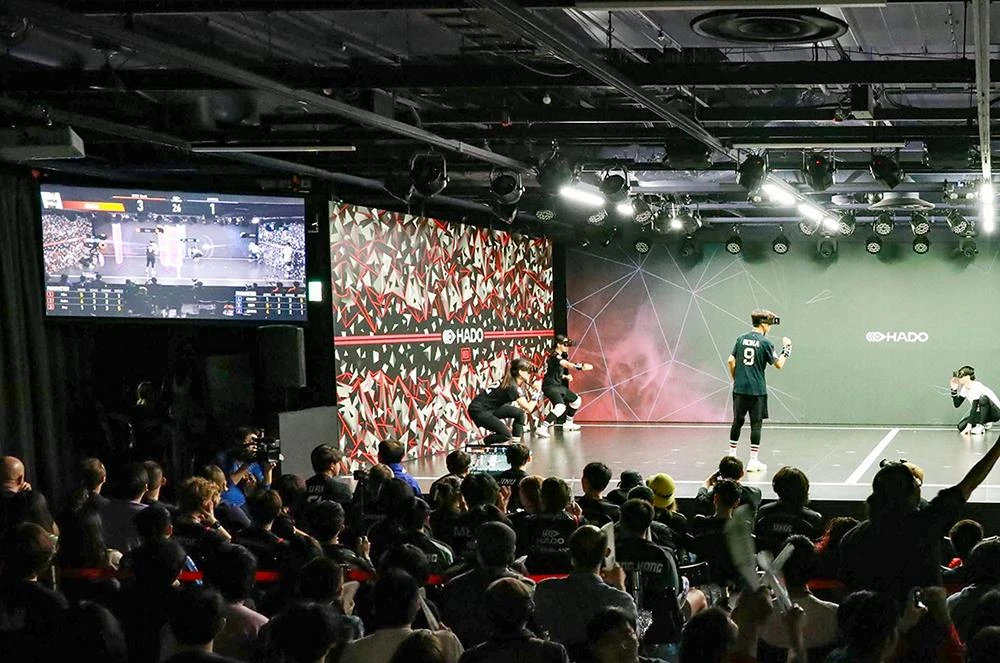
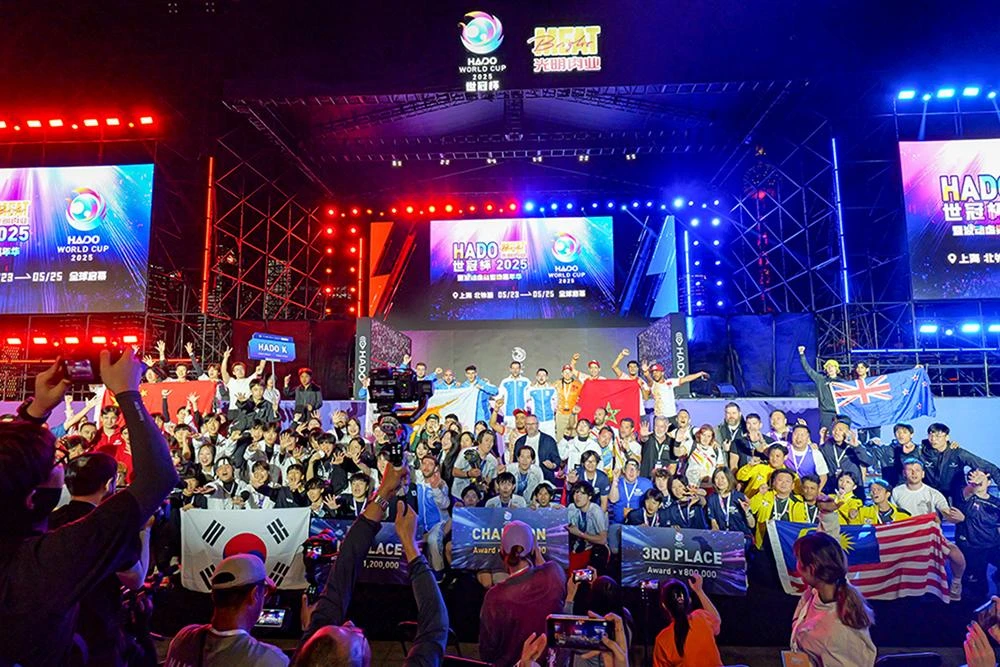
Since HADO’s launch in 2016, its popularity has been growing both in Japan and abroad, and it is now played in over 40 countries and regions. Alongside local competitions held across the globe, the HADO WORLD CUP tournament, which has been held since the sport’s very beginnings, has also continued to grow in scale.
Expanding Applications and the Reasons Behind Them
The sport is also gaining popularity among a wide range of players, from young people to older adults and wheelchair users. With simple rules and customizable game settings, people with different abilities and backgrounds can compete on the same playing field. “Even first-timers can join in just five minutes. The player’s build and athletic ability have less impact on the game, so a diverse mix of members can enjoy playing together,” says FUKUDA Hiroshi, CEO of meleap.
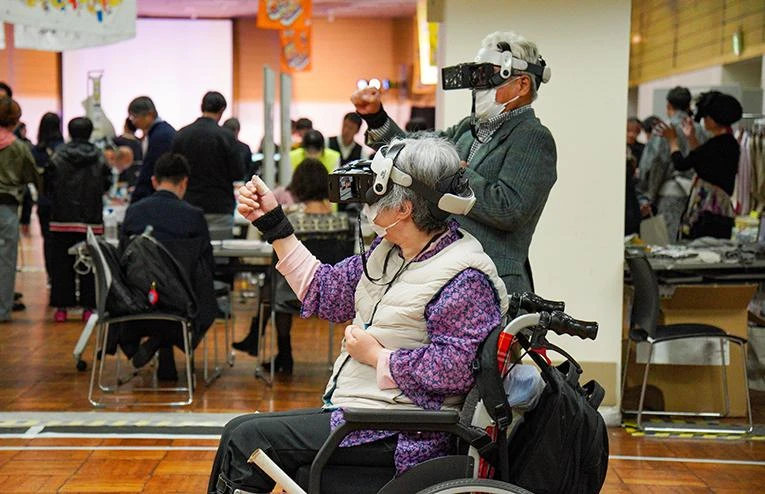
It is now used in a broad range of scenarios, including employee interaction events and recreation for older adults. Among them, it has especially gained traction in the field of education. As of 2025, a total of more than 2,000 educational institutions worldwide have incorporated HADO into programs and activities; more than 90% of them are located outside Japan.
Because the sport is enjoyable even for students who are not naturally athletic, it encourages spontaneous interaction among teammates and helps develop collaboration skills. According to Fukuda, there have been multiple cases of children who had stopped attending school returning after taking it up. Through hands-on interaction with the latest digital technologies, it also provides an opportunity to enjoy experiences beyond theory alone. “Because they want to become better, students start practicing on their own initiative. Good results are easily produced in HADO, boosting their self-esteem; this motivates them to set new targets and take on further challenges, creating a positive cycle,” says Fukuda.
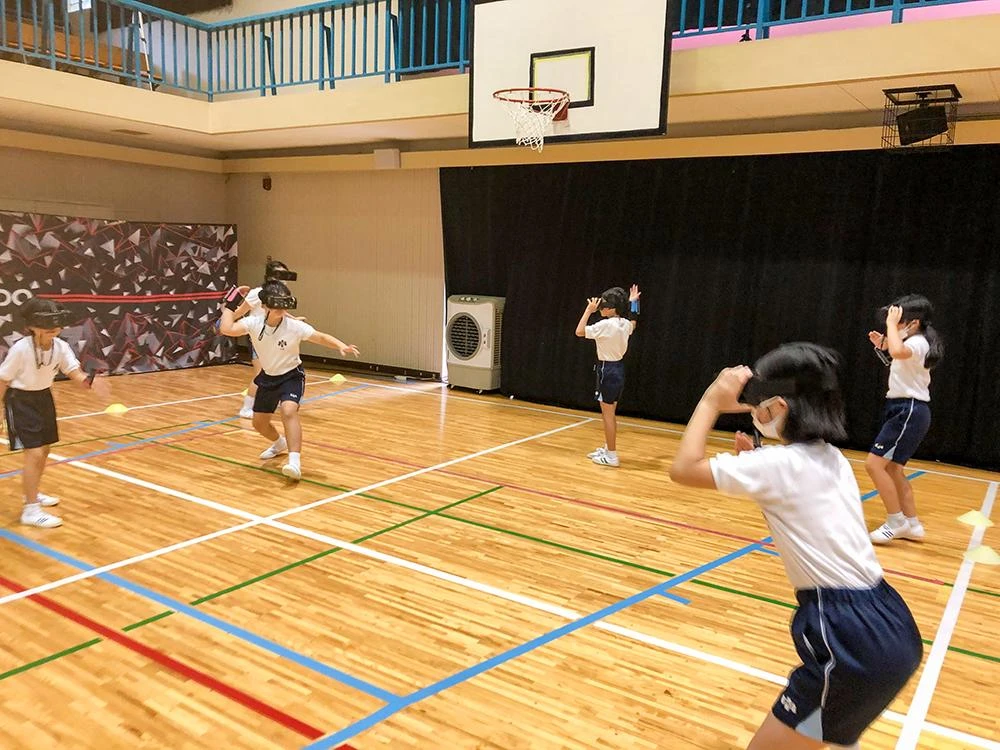
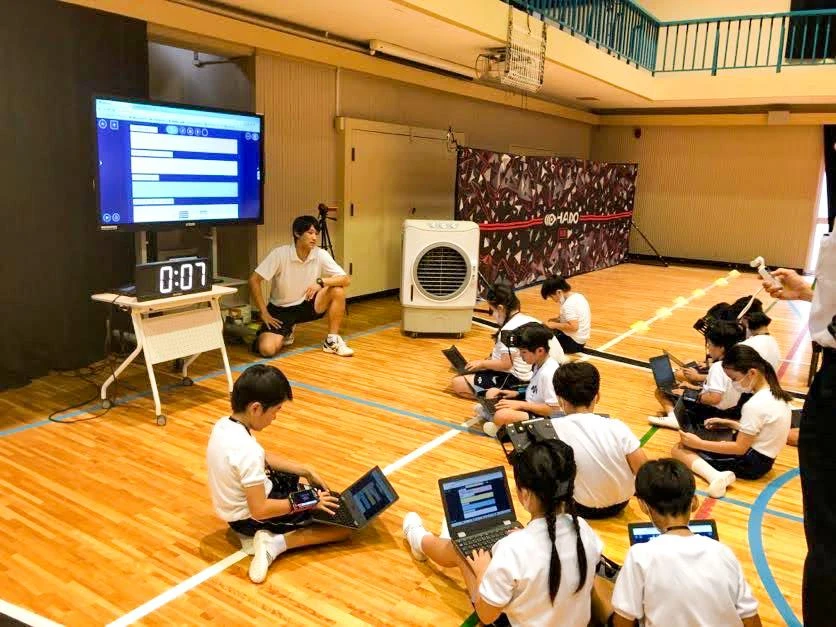
Looking ahead, while putting more focus on global expansion, Fukuda also wishes to help improve children’s health. “Children across the globe are becoming less physically active. If children do not develop regular exercise habits while they are young, they may find it difficult to stay active as adults, leading to health challenges and rising healthcare costs. Having fun doing a physical activity is also good for mental health. I want to help build a society where people are healthy in both mind and body.”